
In today’s fast-changing world, success depends less on avoiding challenges and more on responding effectively to them. Constant pressure, career transitions, and personal uncertainties have made emotional strength a critical skill. This is why resilience coaching has become one of the most sought-after development tools in recent years.
Resilience coaching focuses on building mental clarity, emotional balance, and long-term adaptability. The benefits of resilience coaching extend beyond stress management, helping individuals grow stronger through setbacks rather than being overwhelmed by them.
Top Skills Every Certified Life Coach Must Have to Succeed in 2026
What Is Resilience Coaching
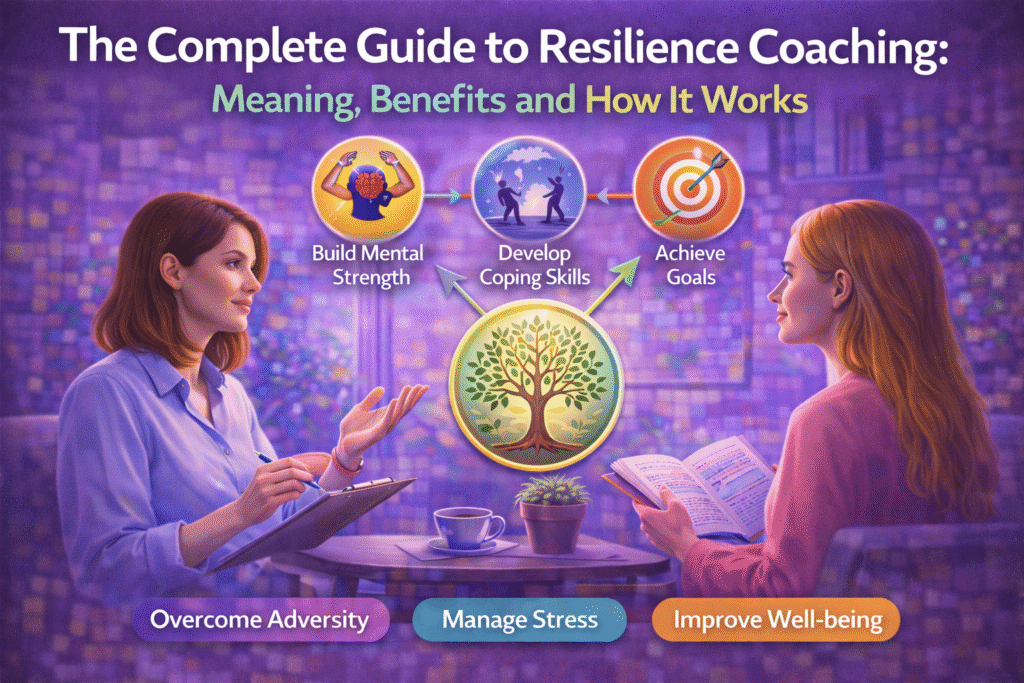
Resilience coaching is a structured process designed to help individuals strengthen their mental and emotional endurance. It focuses on improving how people respond to pressure, change, and unexpected challenges.
Unlike temporary motivational advice, resilience coaching builds long-term internal stability. It encourages reflection, self-awareness, and disciplined thinking patterns that support growth. The benefits of resilience coaching include improved clarity, confidence, and emotional control.
Resilience coaching is not about eliminating stress. It is about learning how to manage stress constructively and remain productive under pressure.
Read More: Why Resilience Coaching Is Gaining Importance in 2026
Why Resilience Coaching Matters Today
The professional and personal landscape in 2026 is unpredictable. Industries evolve quickly, competition increases, and expectations remain high. Without mental stability, even talented individuals may struggle.
Resilience coaching equips individuals with the tools needed to handle uncertainty calmly. The benefits of resilience coaching include improved decision-making, emotional regulation, and sustained performance.
When resilience coaching becomes part of personal development, individuals gain the ability to recover faster from setbacks and adapt with confidence.
Read More: How a Life Coach in Kolkata Helps Students and Young Adults Make Better Career Decisions
Core Components of Resilience Coaching
Resilience coaching is built on structured frameworks that strengthen mental habits over time.
• Cognitive reframing
Individuals learn to reinterpret challenges as learning opportunities rather than failures.
• Emotional awareness
Resilience coaching increases awareness of emotional triggers and patterns.
• Stress regulation strategies
Breathing techniques, structured reflection, and focus exercises improve stability.
• Long-term perspective building
The benefits of resilience coaching include the ability to think beyond short-term obstacles.
• Goal alignment
Resilience coaching connects daily actions with meaningful long-term objectives.
These components ensure that resilience becomes a practiced skill rather than a reaction to crisis.
Key Benefits of Resilience Coaching
The benefits of resilience coaching impact both personal and professional life. These advantages grow stronger over time.
• Improved emotional regulation
Resilience coaching helps individuals manage frustration, anxiety, and disappointment constructively.
• Stronger decision-making skills
Clear thinking under pressure leads to balanced choices.
• Increased confidence during setbacks
The benefits of resilience coaching include reduced fear of failure.
• Sustainable productivity
Resilience coaching strengthens focus and reduces burnout.
• Better leadership presence
Emotionally stable leaders inspire trust and clarity.
These benefits make resilience coaching a long-term investment rather than a short-term solution.
Read More: Why Hiring a Certified Life Coach Can Transform Your Personal and Professional Life
How Resilience Coaching Works
Resilience coaching follows a structured, measurable process rather than informal discussion.
Step-by-Step Process of Resilience Coaching
| Stage | Focus Area | Outcome |
| Assessment | Identify stress patterns and triggers | Clear understanding of current challenges |
| Goal Setting | Define resilience goals | Structured growth direction |
| Skill Development | Apply cognitive and emotional tools | Stronger coping mechanisms |
| Practice and Reflection | Reinforce new habits | Consistent improvement |
| Review and Adjustment | Track progress and refine strategy | Sustainable resilience |
Through this process, resilience coaching delivers measurable improvement in emotional strength and mental clarity.
Resilience Coaching vs Traditional Stress Management
While both aim to reduce pressure, their approaches differ significantly.
| Aspect | Resilience Coaching | Traditional Stress Management |
| Focus | Long-term adaptability | Short-term relief |
| Method | Structured mental development | Relaxation techniques |
| Growth | Builds emotional endurance | Reduces immediate tension |
| Outcome | Sustainable stability | Temporary calm |
The benefits of resilience coaching extend beyond relaxation by strengthening mental endurance.
Read More: Career Guidance for Women in Tech and Business: Breaking Bias and Closing the Gap
Who Should Consider Resilience Coaching
Resilience coaching is beneficial for a wide range of individuals.
• Entrepreneurs facing uncertainty
The benefits of resilience coaching help manage risk and decision fatigue.
• Corporate leaders
Resilience coaching improves composure during high-stakes decisions.
• Students and young professionals
Building resilience early supports long-term career stability.
• Individuals experiencing burnout
Resilience coaching restores balance and clarity.
• Professionals navigating career transitions
The benefits of resilience coaching provide confidence during change.
Resilience coaching is proactive and preventive, not only corrective.
Read More: Top 10 Female Life Coaches in India You Should Follow in 2026
Long-Term Impact of Resilience Coaching
The long-term impact of resilience coaching extends beyond immediate stress management. It strengthens mindset, improves relationships, and supports sustained professional growth. Over time, resilience coaching builds internal stability that helps individuals navigate challenges with clarity and confidence.
Key Long-Term Outcomes
• Greater emotional stability
Resilience coaching helps individuals regulate emotions effectively, reducing anxiety and impulsive reactions.
• Consistent performance under pressure
With structured resilience coaching, individuals maintain focus and productivity even in high stress environments.
• Reduced reactivity
The benefits of resilience coaching include thoughtful responses instead of emotional overreactions.
• Stronger interpersonal relationships
Improved emotional awareness enhances communication and mutual understanding.
• Improved long-term career satisfaction
Resilience coaching supports clarity and alignment, leading to more meaningful and sustainable career growth.
The benefits of resilience coaching compound over time, creating a stable foundation for personal and professional success.
How to Choose the Right Resilience Coaching Program
Selecting the right resilience coaching program starts with understanding your goals and challenges. Not all resilience coaching approaches offer structured systems. Choosing a well-designed program ensures you gain the full benefits of resilience coaching through measurable progress and long term mental stability.
Key Factors to Consider
• Look for structured frameworks
Resilience coaching should follow measurable systems.
• Assess practical tools used
The benefits of resilience coaching depend on actionable techniques.
• Evaluate coach credibility
Experience and consistent outcomes matter.
• Ensure accountability
Progress tracking strengthens results.
• Avoid quick-fix promises
True resilience coaching requires practice and commitment.
Choosing a structured approach increases the long-term effectiveness of resilience coaching.
Conclusion
Resilience coaching has become essential in a world defined by rapid change and constant pressure. The ability to adapt, recover, and grow stronger through challenges is the ultimate success skill in 2026.
The benefits of resilience coaching include improved emotional stability, stronger decision-making, sustainable productivity, and long-term confidence. By understanding how resilience coaching works and applying it consistently, individuals can build the mental strength required to thrive in any environment.
Start Your Transformation with Sukanya Debnath
If you’re ready to start your personal growth journey, begin with the best. Sukanya Debnath offers personalized, empathetic, and result-driven coaching programs that have transformed hundreds of lives.
Book a free consultation today and take the first step toward unlocking your true potential.
FAQs
1. What is resilience coaching in simple terms?
Resilience coaching is a structured process that helps individuals build mental strength and emotional stability. It focuses on improving how people respond to stress, setbacks, and uncertainty in both personal and professional life.
2. What are the main benefits of resilience coaching?
The benefits of resilience coaching include improved emotional regulation, stronger decision making, reduced stress, increased confidence, and long term adaptability in challenging situations.
3. How is resilience coaching different from therapy?
Resilience coaching focuses on building future-oriented skills and mental endurance, while therapy often addresses past trauma or clinical mental health concerns.
4. Who should consider resilience coaching?
Resilience coaching is suitable for professionals, entrepreneurs, students, leaders, and anyone facing high-pressure environments or major life transitions.
5. How long does resilience coaching take to show results?
Many individuals notice early improvements within a few sessions, but the full benefits of resilience coaching develop through consistent practice over several months.
6. Can resilience coaching help reduce burnout?
Yes, resilience coaching helps individuals manage stress more effectively, build sustainable habits, and maintain emotional balance, reducing the risk of burnout.
7. Does resilience coaching improve leadership skills?
Resilience coaching strengthens emotional stability, decision-making clarity, and composure, which are essential qualities for effective leadership.
8. Are the benefits of resilience coaching long lasting?
Yes, when applied consistently, the benefits of resilience coaching become long term mental habits that support ongoing growth and adaptability.
9. What techniques are used in resilience coaching?
Resilience coaching often includes cognitive reframing, stress regulation exercises, goal alignment strategies, and emotional awareness practices.
10. Why is resilience coaching important in 2026?
In a fast-changing and competitive world, resilience coaching helps individuals adapt quickly, maintain confidence under pressure, and sustain long-term success.
