
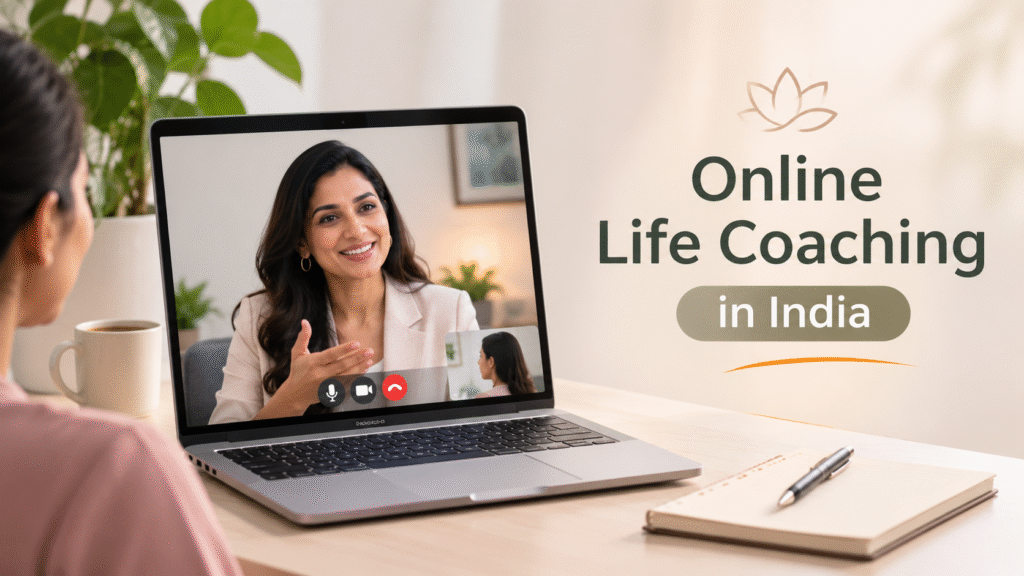
Many people in India want some support with a goal, a tough decision, or a big change in life. Finding a life coach india has become easier now that sessions can happen over a video call. But choosing the right person still takes some thought. This guide explains what online coaching is and how to pick a coach who suits you.
If you’re looking for practical guidance to overcome emotional challenges, build self-confidence, and gain greater clarity in life, Sukanya Life Coach can support you on your personal growth journey. With personalised one-to-one coaching, you can explore your challenges, understand limiting patterns, and work towards meaningful and lasting change. Book a Discovery Call with Sukanya Debnath today and take the first step towards a more confident, balanced, and purposeful life.
The Heart of Online Life Coaching
Online life coaching is a series of one-to-one conversations with a trained coach over a video or audio call. The coach asks questions, listens intently, and helps you to think clearly about where you are and where you want to go. Then you pick small steps to take in between sessions.
Coaching is not therapy. It does not diagnose any disease or treat mental health disorders. If you are experiencing deep distress, consult a doctor or licensed therapist. Coaching is future-oriented: goals, habits, choices, and confidence.
Coaching can support personal development, career choices, building confidence, and life transitions such as relocation, a new job, or changing family roles.
Why People Like Remote Sessions
Virtual life coaching fits in with so many busy lives. This is why people love it:
- Convenience: No travel time; you can join from home.
- More choice: You’re not limited to coaches in your city.
- Comfort: Some people find it easier to speak in a familiar environment.
- Flexible scheduling: Many coaches will offer evening or weekend hours.
A working professional in a small town may not have a coach in his/her area. She can have a remote coaching session to speak to someone whose style suits her, without the long commute.
How to Establish Your Coaching Goals
“Search for ten minutes for what you want. Think for ten minutes. Clear goals will help you decide if a coach is right for you.
- Write down what feels stuck. One example might be, “I keep postponing a career change.”
- Choose one or two priorities. Too many goals at once can be overwhelming.
- What is a good outcome? For example, “I want to decide about my job within three months.”
- Note the type of support you want. Some want a gentle touch. Others want to be held accountable.
“Fix my life” is a much harder goal to work with than something like “feel more confident when speaking up in meetings.”
How to Check a Coach’s Credentials and Experience
Coaching is not regulated like medicine or law, so ask questions. Look out for:
- Training: Where was the training carried out, and was the program accredited?
- Experience: Ask about their coaching experience and the types of goals they usually work on.
- Approach: A good coach can explain the sessions in plain English.
- Boundaries: A trustworthy coach knows the limits of coaching.
- Honest promises: Beware of people who promise results. No coach can promise a result.
Many coaches will do a quick introductory call. Ask it questions and pay attention to how it feels to talk.
Questions to Ask About Meetings, Scheduling, Fees, and Confidentiality
Ask these before you sign on the dotted line:
Video call meetings
- What platform do you use? How long are the sessions?
- What if my internet goes out while I’m on a call?
Scheduling
- “How often do we meet? How far in advance do I book?”
- What if I need to change the date?
Fee’s
- What is the price per session or per package?
- Are there any additional charges?
- What are the policies on refunds and cancellations?
Privacy Policy
- What I share is confidential?
- Will sessions be recorded, and who will have access to the recordings?
A good coach answers these things clearly and under no pressure.
Comparing Coaches: A Simple Selection Table
Use this table to compare two or three coaches side by side.
Criteria | What to look for | Questions to ask |
Coaching approach | A clear, practical method that matches your goals | How do your sessions usually run? |
Availability | Time slots that fit your routine and time zone | How often can we meet? |
Communication | Clear replies and a respectful, listening style | How do we stay in touch between sessions? |
Transparency | Open information about fees, training, and limits | What is included in your fees? |
Personal fit | You feel at ease and understood | Can we have a short intro call first? |
Personal fit matters a lot. Even a skilled coach may not suit you if you do not feel comfortable talking to them.
How to Have a Good Session
A little preparation makes every session more useful.
- Choose a quiet place with a reliable internet connection.
- Have a notebook ready.
- Choose something you want to concentrate on.
- Be prepared to be honest, even if it makes you uncomfortable.
- Test your audio and video a few minutes beforehand.
How to Develop a Productive Coaching Routine
Coaching can work best if it is not a one-time thing but a habit.
- Meet on a regular basis. Sessions are typically weekly or biweekly.
- Assign one small action after each session. Update CV by Friday.
- Go over your notes before the next call. This gives you a sense of what changed.
- Just have patience. Real change in habits and thinking often takes time.
How to Assess Your Coach and Your Progress
After a few sessions, take a moment to reflect and ask yourself:
- Do I feel heard and respected?
- Have I been clearer about my goals than I was?
- Am I doing little things that I didn’t do before?
- Does the coach push me, but in a kind and helpful way?
If the answer to most of them is no, talk openly with your coach. If it still doesn’t feel right, it’s perfectly fine to look for someone else. A good coach will respect that choice.”
If you want to know about online life coaching in India, about the way of working and services provided by online life coaching in India, you can check Sukanya Life Coach. It is a tool for people searching for life coaching and personal growth.
Summary
It is a personal choice to choose a life coach india. Be clear about your goals and begin there. Then check on a coach’s training and experience, ask honest questions about sessions, fees, and privacy, and trust your feelings in a first conversation. Once you get going, prepare for each session, follow a routine, and check your progress from time to time. Coaching is a valuable space for reflection and growth, but the effort you put in between sessions makes the difference.
Frequently Asked Questions
Is online life coaching as effective as face-to-face coaching?
“Video sessions are really good for many people because they’re comfortable and easy to fit in the week.” The key is finding a good fit with your coach and being committed to the process. No one can guarantee a coach a win.
What is the duration of a coaching program?
It is contingent upon what your goals are and what your coach is. Some people meet for a few weeks, some for a few months. “Ask your coach what they suggest and why.
How does life coaching differ from therapy?
Coaching is about goals, choices, and momentum. Therapy can help with emotional problems and mental health issues. If you are struggling with your mental health, please seek help from a licensed professional.
What if I don’t like my coach?
First, be open about what worries you. A good coach will want to hear from them. If it doesn’t work out, you can always end the arrangement and find a coach who is a better fit for you.
How do I know if I am ready for life coaching?
You may be ready if you have a goal or a decision in mind and are willing to reflect honestly and take small steps. You do not need to have everything figured out. If you are having a very difficult time emotionally, it may be best to speak with a licensed mental health professional first.
What should I ask in the first call with a coach?
Ask how they work, what goals they help with, how often you would meet, and what the fees and cancellation terms are. It also helps to ask how they handle privacy. Pay attention to how you feel during the call. If you feel listened to and not pushed, that is a reassuring sign.
